
A useful Mediterranean pantry is less about collecting specialty products and more about keeping a small group of ingredients that work together. With grains, beans, tomatoes, olive oil, herbs, nuts, and a few bright flavor builders on hand, you can make a satisfying meal without starting from zero.
Start with flexible staples
Choose two or three whole grains you genuinely enjoy. Bulgur and couscous cook quickly, while brown rice and farro have a pleasantly chewy texture. Keep canned chickpeas, white beans, and lentils for fast meals, plus dried lentils for soups. Canned whole tomatoes and tomato paste create a dependable base for stews and sauces.
Build flavor in layers
Extra-virgin olive oil, lemons, garlic, and onions form a reliable foundation. Add dried oregano, cumin, smoked paprika, coriander, and crushed red pepper. Fresh parsley, dill, basil, or mint can completely change the character of a finished dish, so buy one fresh herb at a time and plan several meals around it.
Add texture and contrast
Tahini, plain yogurt, olives, capers, feta, toasted nuts, and seeds make simple vegetables or grains feel complete. Pick one creamy element, one salty element, and one crunchy element for the week.
A simple pantry formula
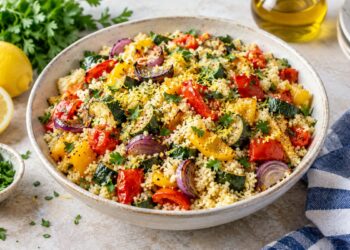
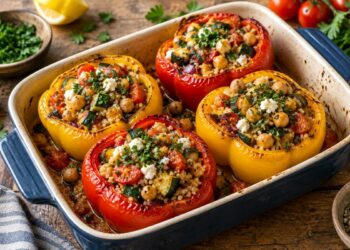
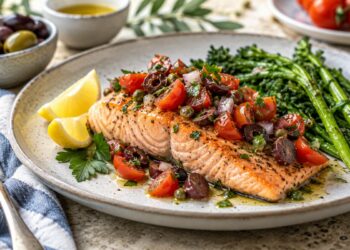
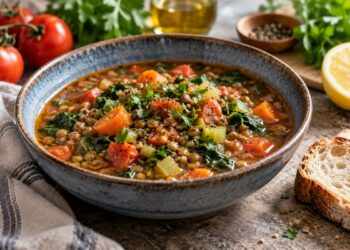
For a quick bowl, combine a cooked grain, beans or eggs, two vegetables, and a punchy dressing. For soup, soften onion and garlic, add spices, tomatoes or broth, then beans and vegetables. For a tray bake, coat vegetables and a protein with olive oil, lemon, and herbs before roasting.
Store ingredients well
Keep oils away from heat and light, label grains and spices with purchase dates, and refrigerate opened jars. Toast nuts in small batches and freeze extras if your kitchen is warm. A tidy pantry makes it easier to see what you already own and prevents unnecessary waste.
The best pantry is personal. Begin with ten dependable ingredients, cook with them repeatedly, and add new staples only when you know how they will fit into your routine.
How to build a useful Mediterranean pantry
A practical pantry is not about buying every imported ingredient at once. Start with foods that can work in several meals: extra-virgin olive oil, canned chickpeas and tomatoes, lentils, a grain such as bulgur or couscous, and a few seasonings you already enjoy. Add lemons, garlic, onions and fresh herbs during the weekly shop. This combination gives you enough flexibility for soups, salads, grain bowls, dips and simple tray bakes without requiring a special trip to the store.
Choose one or two olives rather than several open jars, and buy nuts in quantities you will actually use. Store nuts and seeds in an airtight container away from heat; refrigerating them is helpful in a warm kitchen. Dried herbs belong in a cool, dark cupboard, while olive oil should stay tightly closed and away from the cooker.
A simple restocking routine
Before shopping, check four groups: proteins, grains, vegetables and flavor builders. A can of beans can cover protein, couscous can cover the grain, and tomatoes or frozen spinach can provide a vegetable base. Lemons, garlic, tahini, olives and herbs turn those basics into a meal. Replace items when you open the final package instead of waiting until it is empty.
Five quick combinations
- Chickpea bowl: chickpeas, chopped vegetables, couscous and lemon-herb dressing.
- Fast tomato soup: canned tomatoes, lentils, onion, garlic and dried oregano.
- Pantry pasta: pasta, tomatoes, olives, capers and parsley.
- Hummus plate: hummus, cucumbers, tomatoes, olives, fruit and warm bread.
- Roasted vegetable tray: seasonal vegetables finished with olive oil, lemon and herbs.
Substitutions that keep dinner moving
Use white beans when chickpeas are unavailable, rice when bulgur is not suitable, and red-wine vinegar when there is no fresh lemon. Frozen vegetables are useful backups and can reduce waste. The goal is not strict authenticity; it is a balanced, vegetable-forward meal made from ingredients you can maintain comfortably.